
(With real-world examples and tactical tips for 2025)
What exactly is Marketing & Communications?
Marketing & Communications (or MarCom) is how your brand shares its story with the world. It spans advertising, PR, social media, email, events, content marketing, sponsorships, even how your employees speak about the company.
In short, it’s everything that shapes public perception of your brand — and drives people to trust, buy, and advocate for you.
1. Set crystal-clear SMART goals
Without a target, your campaigns are guesswork.
Use SMART goals: Specific, Measurable, Achievable, Relevant, Time-bound.
Example:
- “Increase website signups by 30% among women aged 25–35 in Mumbai by December 2025.”
This lets you tailor creative, select right channels, and measure ROI precisely.
2. Know your audience inside out
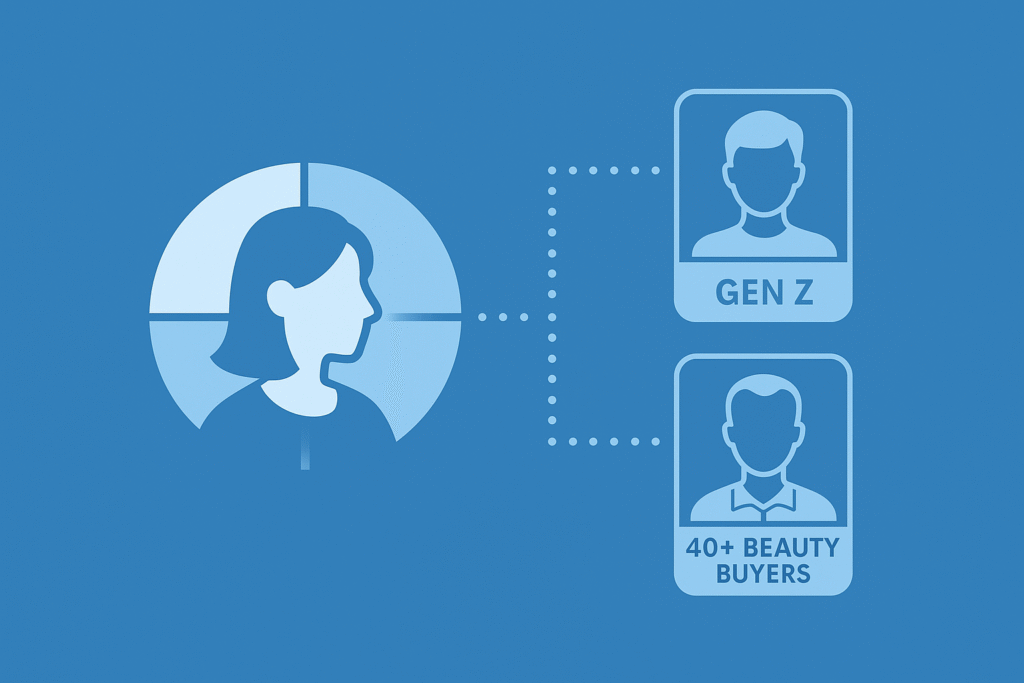
Segment customers by demographics, behaviors, interests and pain points.
Example:
- Sephora doesn’t market the same way to Gen Z as to 40+ beauty buyers.
- TikTok campaigns & influencer hauls for teens.
- Loyalty points & tutorials via email for older buyers.
Mapping your audiences means sharper messaging and higher engagement.
3. Build a powerful brand story & toolkit
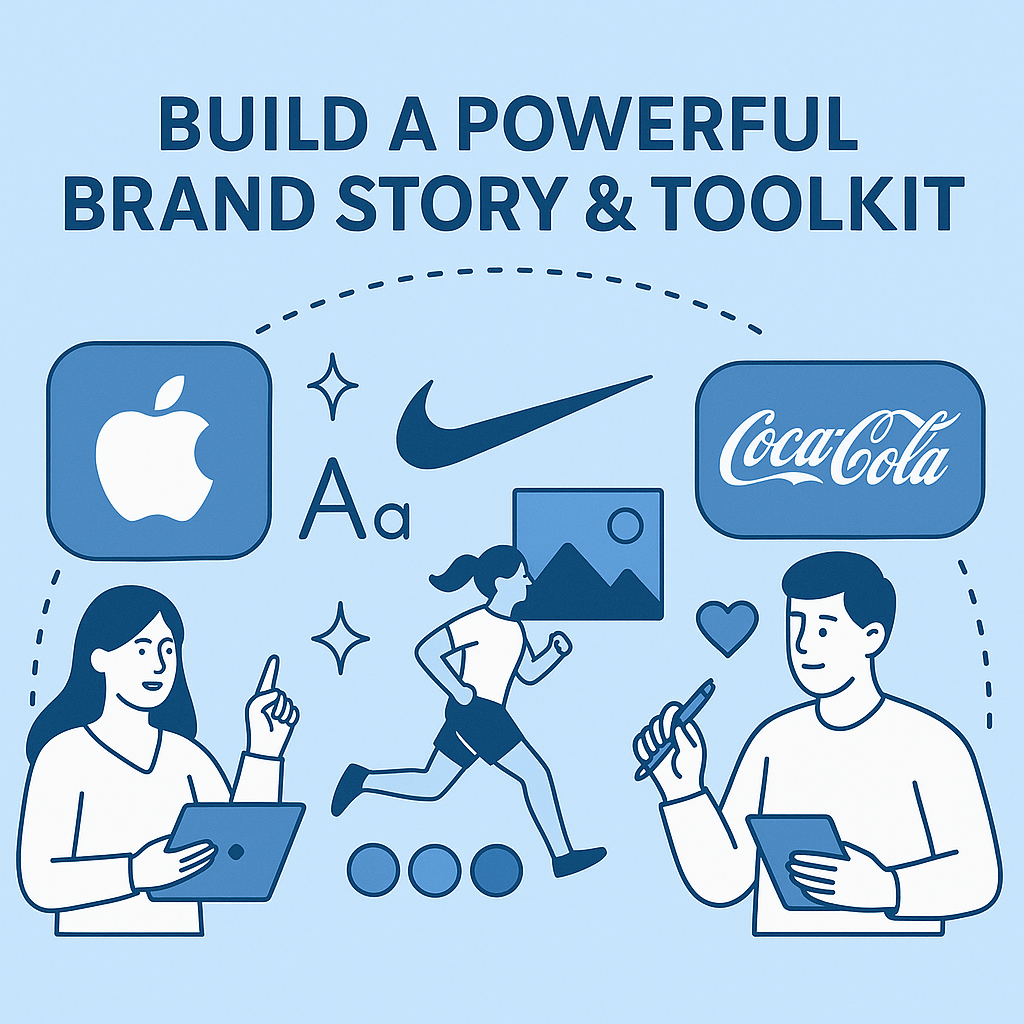
- What are your brand values?
- What’s your tone (playful, bold, empathetic, expert)?
- What visuals (colors, fonts, imagery) signal your promise?
Examples:
- Apple: Minimalist design, empowering user-generated campaigns (e.g. “Shot on iPhone”).
- Nike: Bold, emotional storytelling that invites you to “Just Do It.”
- Coca‑Cola: Universal themes of joy & connection, brought to life with iconic red branding.
4. Integrate your marketing channels (IMC)

Integrated Marketing Communications (IMC) means your message is unified across digital, print, events, PR, even packaging. This builds brand trust and boosts campaign impact.
Real IMC examples:
- Coca‑Cola “Share a Coke”
Printed personalized names on bottles → TV + social ads → photo booths → global sales spike. - Airbnb “Live There”
Data-personalized emails + retargeted ads + Instagram travel stories = bookings up 15%. - Nike “Just Do It”
Amplified by everyday athletes’ stories on Instagram & YouTube, not just celebrity sponsorships.
5. Execute with a strategic content calendar
Plan campaigns across weeks & months:
| Week | Channels | Example Tactics |
|---|---|---|
| 1 | Instagram, TikTok | Reels on product benefits |
| 2 | Email newsletter | Loyalty code drop |
| 3 | In-store / pop-up event | Live sampling or micro-experiences |
| 4 | PR stories & blog posts | Customer success features |
6. Measure performance — then optimize
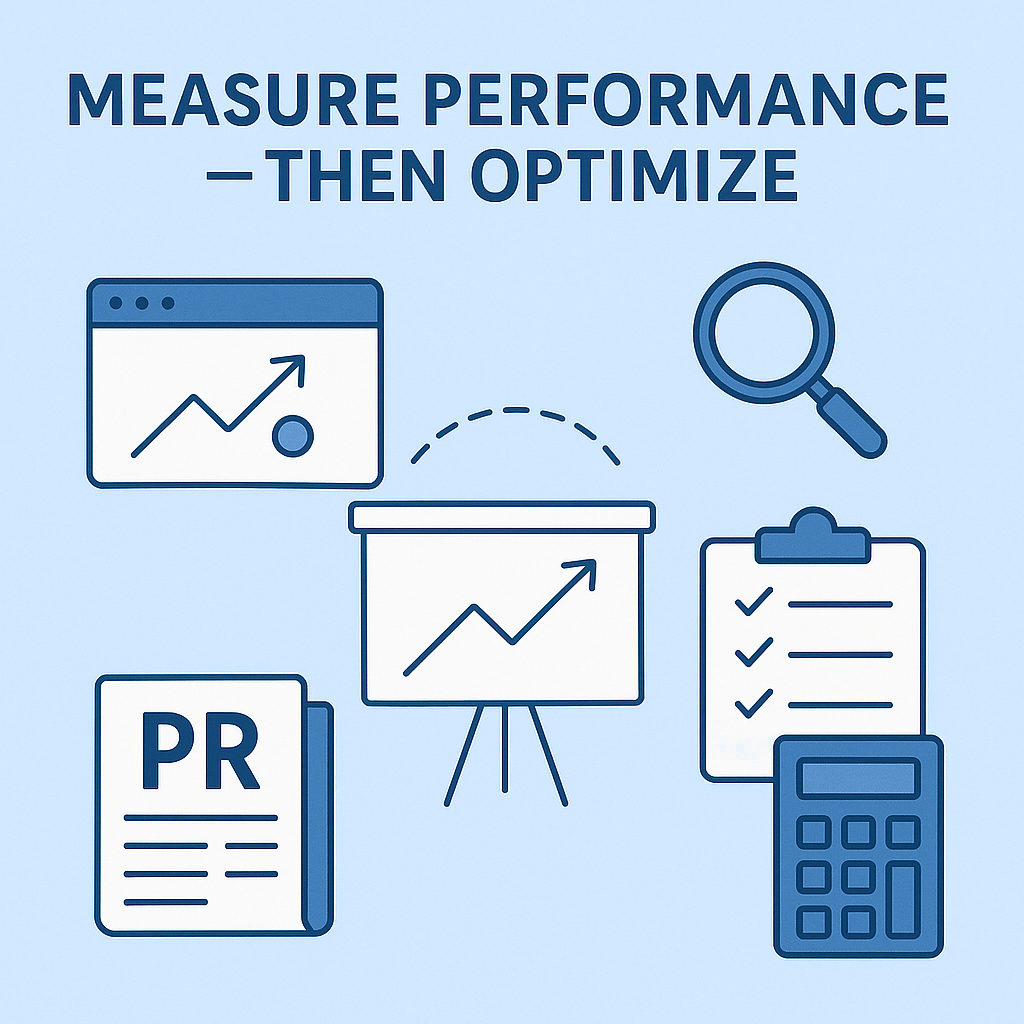
Key Metrics:
- Website: visitors, bounce rate, signups, sales
- Social: reach, engagement, shares
- Email: opens, clicks, conversions
- Offline: coupon redemptions, footfall
Example:
A café runs a “Monsoon Chai Month” campaign:
- Flyers at metro stations + Instagram Reels + an email offer.
- Tracks code redemptions & foot traffic vs. last year.
Optimize by shifting more budget to the channel driving best returns (maybe Instagram over print).
7. Emerging trends to ride in 2025
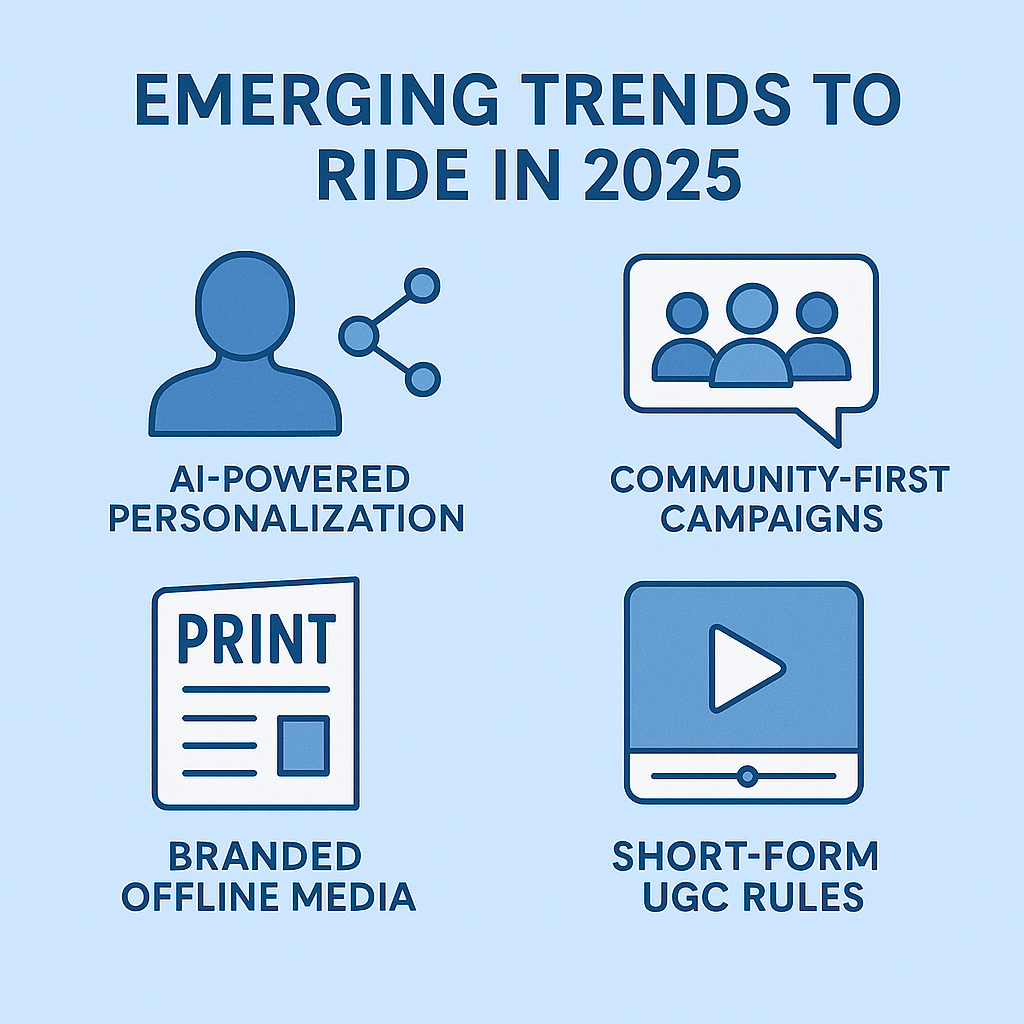
- AI-powered personalization:
Tools like Adobe’s generative AI build thousands of personalized ad variants in real time. - Community-first campaigns:
Like Vita Coco, which now invests in pop-up events & local influencer collaborations rather than just online ads. - Branded offline media:
Microsoft & Hinge are launching PRINT magazines to build long-term brand love. - Short-form UGC rules:
Brands that invite customer content (like Nike) see more trust and organic reach.
Pitfalls to avoid
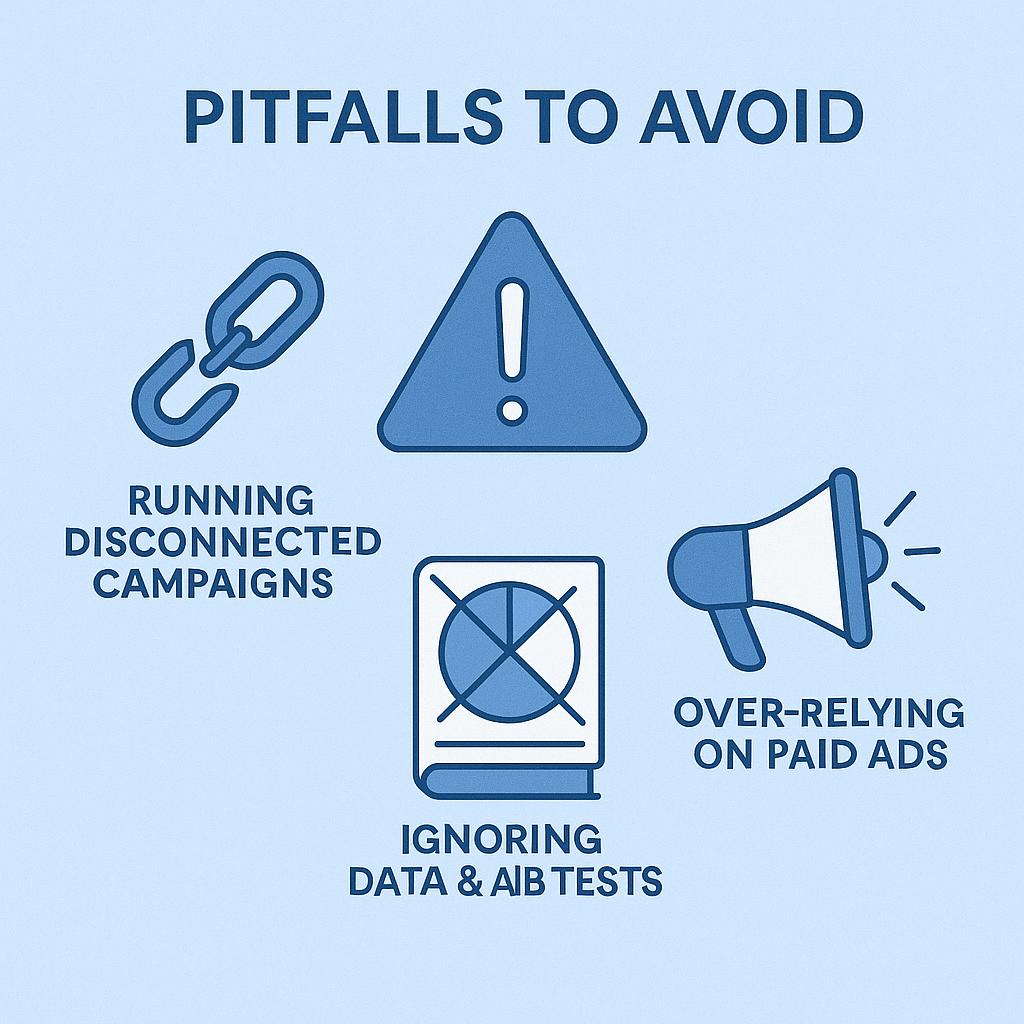
- Running disconnected campaigns (e.g. one story on Instagram, another on print, none linked on your website).
- Ignoring data & A/B tests — or measuring only vanity metrics like “likes” over actual signups/sales.
- Over-relying on paid ads while neglecting owned assets like email lists or communities.
Quick takeaway checklist
| 📝 Checklist Item | Description |
|---|---|
| Define SMART goals & audience segments | Be specific, measurable, achievable, relevant, time-bound |
| Craft a unique brand story & visual toolkit | Align tone, visuals & values across platforms |
| Plan integrated campaigns across multiple channels | Use IMC: digital, print, social, events, PR, more |
| Track meaningful KPIs & adjust with real data | Monitor metrics that lead to sales & loyalty, not just likes |
| Test new tactics (AI tools, community events, short-form video) | Stay ahead by experimenting & adapting |
At Digi eRelease, we know marketing & communications isn’t just about being seen it’s about building meaningful stories that people want to be part of.
By combining strategic media outreach, compelling digital campaigns, influencer partnerships, and content that truly connects, we help brands show up with authenticity, consistency, and purpose.
Because when your story resonates when it’s felt just as much as it’s heard, customers don’t just notice you. They trust you, remember you, and choose you, time and again.